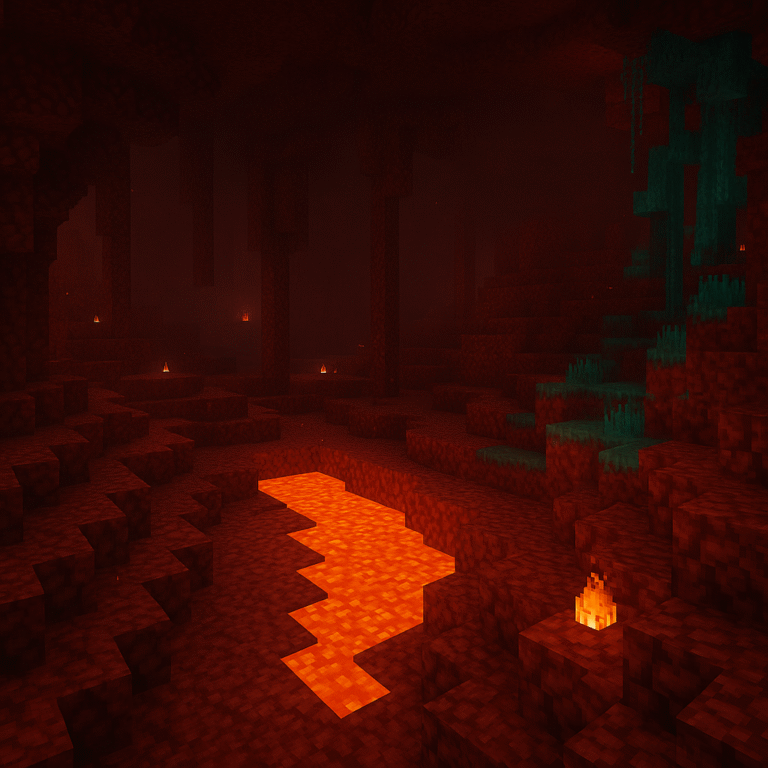
The scene unfolds in community centers, online servers, and living rooms across the globe: adults hunched over tables sorting through bins of colorful bricks, fingers dancing across keyboards as they place virtual blocks with surgical precision, laughter and advice exchanged freely between builders who’ve traded corporate meeting rooms for creative workshops. What was once considered child’s play has evolved into a vibrant, multigenerational movement that’s redefining how adults connect, create, and find joy in 2025.
The rise of adult building communities—spanning both the tactile world of LEGO and the boundless digital realms of Minecraft—represents one of the most surprising cultural shifts of our time. These aren’t just nostalgic throwbacks to childhood; they’re sophisticated creative outlets where engineering minds meet artistic souls, where introverts find their voice, and where the phrase “too old to play” has been permanently retired. As we navigate an increasingly complex world, these communities offer something precious: a space where imagination trumps hierarchy, where mistakes become learning opportunities, and where the only currency that matters is creativity.
The New Face of Adult Building Communities
Gone are the days when LEGO conventions were populated solely by children clutching their parents’ hands. Today’s building communities showcase a dramatically different demographic landscape. Adults in their 30s, 40s, 50s, and beyond now form the backbone of these creative ecosystems, bringing decades of life experience, professional skills, and disposable income to their hobby pursuits.
The motivations driving this adult renaissance are as diverse as the builders themselves:
• Nostalgia and Reconnection – Many adults begin their building journey seeking to reconnect with the pure joy they experienced as children when first discovering the endless possibilities of creative building. What starts as a trip down memory lane quickly evolves into something much deeper.
• Stress Relief and Mindfulness – Adult builders consistently describe the meditative quality of sorting bricks by color or the focused concentration required to execute complex builds. The tactile nature of LEGO combined with the immersive digital worlds of Minecraft provides a powerful escape from daily pressures.
• Social Connection – These communities have emerged as antidotes to the isolation that has plagued modern adult life, particularly in the post-pandemic era. Where traditional social clubs have struggled, building communities offer social connection built around creation rather than consumption, collaboration rather than competition.
The platforms supporting these communities have evolved to match their sophistication:
• Physical Meetups – LEGO User Groups (LUGs) now operate in virtually every major city, offering everything from casual building sessions to elaborate public displays that attract thousands of visitors.
• Online Communities – Dedicated Minecraft servers host thousands of collaborative builders, while Discord communities provide 24/7 support and inspiration, and Reddit forums serve as galleries for spectacular creations.
• Hybrid Events – Virtual showcases allow builders to share their latest creations with global audiences, while online collaborative projects bring together builders from different continents to work on massive undertakings that would be impossible for any individual to complete alone.
Why 2025? The Perfect Storm for Growth
The explosion of adult building communities in 2025 didn’t happen in a vacuum—it’s the result of multiple cultural and technological trends converging at exactly the right moment. At the heart of this movement lies a fundamental shift in how society views adult play. The stigma once attached to “kidult” hobbies has largely evaporated, replaced by a growing recognition that creative pursuits are essential for mental health and personal fulfillment.
Adult LEGO Market Expansion 2020-2025
The remarkable growth of adult-focused LEGO products and communities
Key Market Insights
Market Transformation
- • Adult market share grew from 15% to 47%
- • Revenue increased by 238% over 5 years
- • Annual adult set releases quadrupled
Community Impact
- • 223% growth in organized building groups
- • Over 2,750 active communities worldwide
- • Post-pandemic social reconnection driver
Data compiled from LEGO Group annual reports, industry analysis, and community tracking
Chart created for BricksBlocksCreative.com
Media attention has played a crucial role in this transformation. Television shows like LEGO Masters have showcased the incredible artistry possible with simple building blocks, while documentaries and influencer coverage have revealed the depth and sophistication of adult building communities. These platforms have done more than entertain—they’ve legitimized adult building as a serious creative pursuit worthy of respect and admiration.
The industry response has been equally transformative:
• LEGO’s Adult Focus – The company’s strategic expansion into 18+ sets and display models represents a seismic shift in how they view their market. These sophisticated sets, designed specifically for adult builders, feature complex building techniques, premium presentation, and display-worthy aesthetics.
• Minecraft Evolution – The game continues evolving to serve its aging player base, with advanced building features and modification support that enable increasingly sophisticated creations.
• Community-Building Innovation – The adoption of frameworks like Asset-Based Community Development (ABCD) focuses on organic, passion-based group formation rather than top-down organization. Online tools for organizing events, creating subgroups, and hosting virtual meetups have made it easier than ever for adults to find their specific niche within the broader building community, whether they’re interested in medieval castles, modern architecture, or fantastical creatures.
Community Spotlight: Notable Adult Builders
Dan & Colleen Kees – BayLUG Champions
In their garage-turned-“Lego lab,” Dan & Colleen Kees represent the epitome of lifelong LEGO passion. As active members of the Bay Area LEGO User Group, they’ve transformed their hobby into a community cornerstone, organizing public displays that draw thousands of visitors and participating in both local meetups and international online forums. Their approach emphasizes mentorship and intergenerational connection, proving that building bridges between generations is just as important as building with bricks.
“It’s about the friendships. We’re mentors to the next generation of little hands.” — Russell Clark, BayLUG member
This philosophy permeates everything they do, from hosting newcomer workshops to collaborating on massive display pieces that require dozens of builders working in coordination.
Alan Cruz – Engineering Meets Artistry
Alan Cruz brings his professional engineering background to bear on increasingly complex LEGO challenges through his participation in Ohio’s thriving adult LEGO scene. His story illustrates how childhood play can evolve into sophisticated adult creativity, with building techniques that rival professional architecture. Regular participation in local adult LEGO challenges has honed his skills while connecting him with a diverse community of creators who share his passion for precision and innovation.
“We just provide a place for you to enjoy building and having fun and being creative.” — Catie Stewart, Ohio LEGO Club
What sets Cruz apart is his emphasis on the non-competitive spirit that defines healthy adult builder communities. While challenges and contests provide structure and motivation, the focus remains on learning, sharing, and mutual support rather than winning at all costs.
TD Bricks – Digital Community Leader
With over 1.4 million YouTube subscribers, TD Bricks has become a bridge between casual fans and serious hobbyists in the online LEGO community. His content focuses specifically on adult builds, historical analysis, and advanced techniques that push the boundaries of what’s possible with plastic bricks. More importantly, he’s created a digital gathering place where adult builders can share their work, ask for advice, and connect with like-minded creators around the globe.
His success demonstrates how digital platforms can amplify local communities, turning individual builders into global influencers while maintaining the personal connections that make building communities special.
How These Communities Thrive
The secret to successful adult building communities lies in their ability to balance structure with freedom. Key elements include:
• Curated Spaces – Themed events and subgroups allow members to find their specific tribe within the broader community—whether that’s focusing on advanced LEGO building techniques, exploring creative Minecraft seeds, or mastering the crossover between physical and digital building.
• Regular Engagement – Monthly challenges keep participation high while introducing builders to new techniques. Build nights offer casual social interaction around shared creative work. Virtual hangouts enable global participation that transcends geographic boundaries.
• Knowledge Sharing – Experienced builders take genuine pleasure in helping newcomers develop their skills, sharing techniques refined through years of practice. This mentorship happens organically through collaborative projects, formal workshops, and casual conversations.
• Inclusive Environment – Successful groups welcome builders of all ages, backgrounds, and skill levels, recognizing that diversity of perspective leads to more innovative and interesting creations.
The Crossover: LEGO Meets Minecraft
The intersection between LEGO and Minecraft communities represents one of the most fascinating aspects of modern building culture. Both platforms offer open-ended creativity, problem-solving challenges, and collaborative opportunities, creating natural synergies that many adult builders actively explore. It’s increasingly common to find builders who participate actively in both worlds, translating skills and inspiration from one medium to the other.
LEGO Minecraft sets exemplify this blending of digital and physical creativity, offering tangible representations of beloved virtual creations while introducing physical building constraints that challenge digital builders in new ways. The official LEGO Minecraft collection has created a bridge between communities, encouraging Minecraft players to explore physical building while introducing LEGO fans to the boundless possibilities of digital construction.
The community crossover extends beyond official products to grassroots collaboration. Online forums and Discord servers regularly feature builders sharing both LEGO and Minecraft projects, swapping techniques between mediums, and organizing cross-platform events. Some ambitious builders recreate famous LEGO sets in Minecraft with pixel-perfect accuracy, while others translate stunning Minecraft builds into physical brick creations that can be displayed and shared in the real world.
This cross-pollination has enriched both communities, introducing new techniques, aesthetics, and collaborative possibilities that neither would have developed in isolation. Advanced building methods from one platform often inspire innovations in the other, creating a continuous cycle of creative evolution.
The Future of Adult Building Communities
As we look toward the remainder of 2025 and beyond, adult building communities show no signs of slowing down. If anything, they’re positioned to become even more influential as society continues recognizing the importance of creative outlets for mental health and social connection. The communities that emerged from pandemic isolation have proven their staying power, evolving from emergency social solutions into permanent fixtures of adult creative life.
The integration of new technologies promises to expand possibilities even further. Augmented reality applications are beginning to bridge physical and digital building in unprecedented ways, while AI-assisted design tools are democratizing complex building techniques that were previously accessible only to experts. Virtual reality platforms are creating new spaces for collaborative building that combine the tactile satisfaction of physical construction with the limitless possibilities of digital creation.
Most significantly, these communities are redefining what it means to be creative as an adult. They’ve proven that play isn’t something we outgrow—it’s something we can sophisticate, deepen, and use to build meaningful connections with others who share our passions. In a world that often feels divided and disconnected, adult building communities offer a powerful reminder that creativity is a universal language that transcends age, background, and circumstance.
As more adults discover the joy of building—whether with plastic bricks or digital blocks—these communities will continue growing, evolving, and inspiring new generations of creators who understand that the best way to build a better world might just be one brick at a time.
Ready to join the building revolution? Share your own building experiences in the comments below, or tell us about your local building community. Whether you’re a seasoned builder or just getting started, there’s a place for you in this creative renaissance that’s transforming how adults play, create, and connect in 2025.