Transform your chaotic brick pile into an organized building paradise with these proven storage strategies designed specifically for adult collectors.
As an adult Lego enthusiast, you’ve likely faced the inevitable reality: your collection has outgrown that childhood toy box. Whether you’re dealing with a few sets or thousands of pieces spanning decades of collecting, proper storage isn’t just about tidiness—it’s about maximizing your building efficiency and protecting your investment.
After years of trial and error (and stepping on far too many bricks), the adult Lego community has developed sophisticated storage systems that rival professional workshops. The key is finding the right balance between accessibility, organization, and space efficiency that works for your specific collection and building style.
Why Adult Lego Storage Differs from Kids’ Solutions
Adult collectors face unique challenges that children’s storage solutions simply can’t address. Your collection likely includes rare and expensive sets, custom modifications, and ongoing projects that require careful preservation. You’re also dealing with limited space, aesthetic considerations for shared living areas, and the need for quick access during focused building sessions.
The storage solutions that work best for adults prioritize element sorting, project workflow, and long-term preservation over simple cleanup. This means investing in quality containers, developing systematic organization methods, and creating dedicated spaces that support serious building.
Essential Storage Container Types
Really Useful Boxes: The Gold Standard
Really Useful Boxes have earned their reputation as the premier choice for serious Lego storage. These transparent, stackable containers come in dozens of sizes and offer several advantages over cheaper alternatives. The clear polypropylene construction lets you see contents at a glance, while the secure latching lids protect pieces from dust and moisture.
The modular sizing system allows you to create custom storage walls that utilize vertical space efficiently. Popular sizes for Lego storage include the 9-liter boxes for medium elements, 35-liter boxes for bulk storage, and the slim 4-liter boxes perfect for specialized pieces like minifigure parts or rare elements.
Pro tip: Really Useful Boxes stack perfectly and their dimensions work well with IKEA shelving units, creating a professional-looking storage system that doesn’t scream “toy collection.”
Drawer Systems for Frequent Access
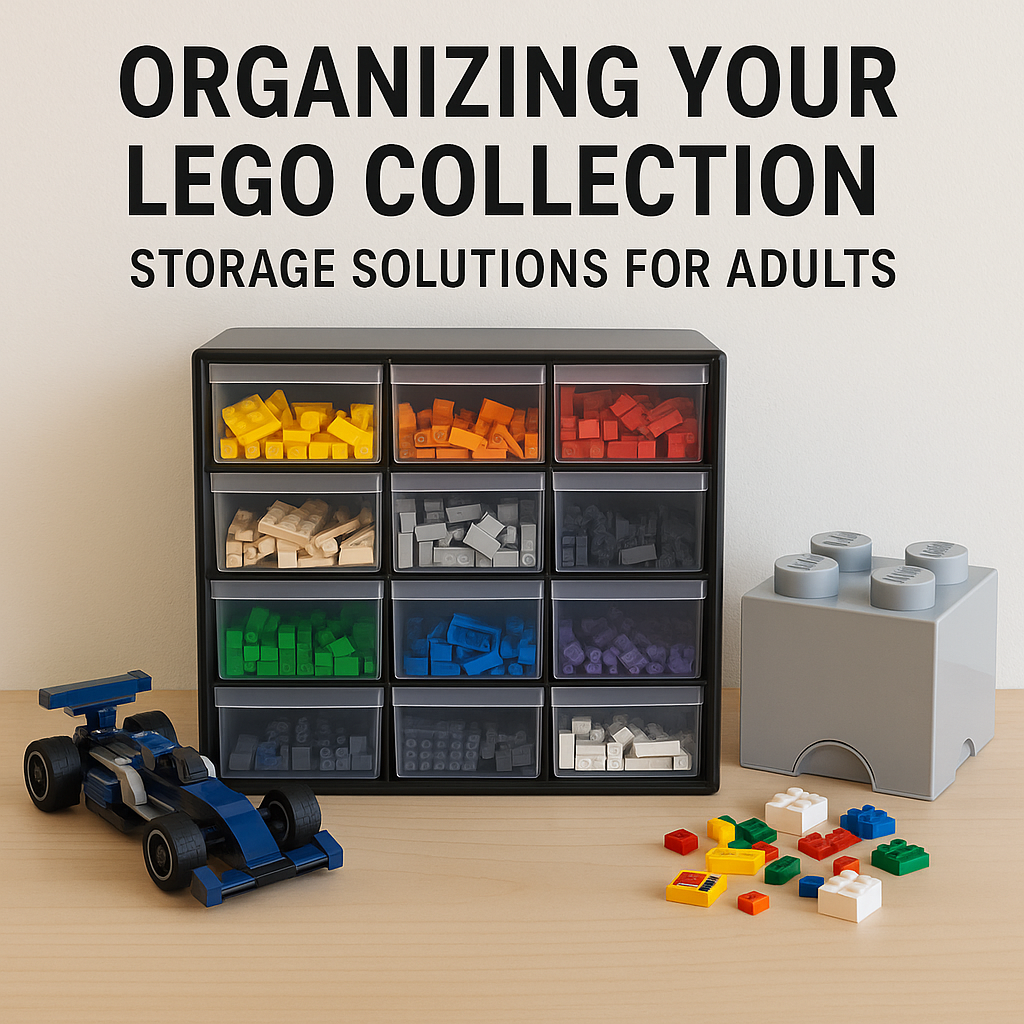
For pieces you use regularly, drawer systems offer unmatched convenience. IKEA’s ALEX drawer units have become legendary in the AFOL (Adult Fan of Lego) community for their perfect balance of size, quality, and affordability. Each drawer can be outfitted with smaller containers or dividers to create custom sorting compartments.
The key advantage of drawer storage is the ability to see and access everything without moving other containers. This makes them ideal for your most-used elements: basic bricks, plates, slopes, and technic pieces that form the foundation of most builds.
Specialized Sorting Solutions
Consider investing in hardware organizers designed for screws and small parts. These multi-drawer units with dozens of small compartments excel at storing specialized elements like minifigure accessories, rare printed pieces, or specific color variants you’re collecting.
Tackle boxes and fishing tackle organizers offer portable sorting solutions perfect for taking specific elements to building sessions or organizing pieces for particular projects.
Organization Strategies That Actually Work
Sort by Element Type, Not Color
While sorting by color might seem intuitive, experienced builders organize primarily by element type. This system mirrors how you actually think when building—you need a 2×4 brick, not specifically a red piece. Within each element type, you can sub-sort by color if your collection warrants it.
Basic element categories include:
- Bricks (standard building blocks)
- Plates (thinner pieces, 1/3 the height of bricks)
- Slopes and angles
- Tiles (smooth top surfaces)
- Technic pieces (beams, connectors, gears)
- Specialty elements (windows, doors, wheels)
- Minifigure parts
The Two-Tier System
Implement a two-tier storage approach: frequently used pieces stay in easily accessible drawer systems, while bulk storage and specialized pieces go into the labeled box system. This prevents you from digging through dozens of containers for basic building elements while keeping your complete collection organized.
Project-Based Storage
Dedicate specific containers to ongoing projects. When you’re accumulating pieces for a particular build or working on a custom creation over weeks or months, project boxes keep everything contained and prevent pieces from migrating back into general storage.
Label these clearly with the project name and date started. This system also helps you track how long projects remain active and when it might be time to either complete them or return pieces to general storage.
Adult Lego Storage Hierarchy
Organize Your Collection Like a Pro
Setting Up Your Storage Space
Choosing the Right Location
Your storage space needs to balance accessibility with protection from environmental factors. Basements and attics, while offering space, can have humidity and temperature fluctuations that affect plastic over time. Climate-controlled spaces like spare bedrooms, closets, or converted garages offer the best protection for valuable collections.
My personal setup: I’ve converted my garden shed into a dedicated Lego storage and building space. The key was ensuring proper insulation and moisture control—I installed a small dehumidifier and sealed the space properly. The separate location means I can spread out projects without taking over living areas, and the dedicated space maintains organization better than trying to integrate storage into multipurpose rooms.
Maximizing Vertical Space
Think vertically when planning your storage layout. Tall shelving units that reach near the ceiling make efficient use of limited floor space. Place frequently accessed items at eye level and shoulder height, with bulk storage and project boxes on higher and lower shelves.
Ensure your shelving can handle the weight—Lego collections are heavier than they appear. Reinforce shelves if necessary and distribute weight evenly across multiple shelves rather than loading everything onto a single level.
Creating Work Areas
Don’t forget to plan workspace within or adjacent to your storage area. A dedicated building surface with good lighting and easy access to your most-used pieces dramatically improves the building experience. Consider a fold-down table if space is limited, or a mobile cart system that can move between storage and building areas.
Smart Labeling Systems
Digital Inventory Management
For larger collections, consider digital cataloging using apps like BrickLink Studio or Rebrickable. These tools let you track your inventory digitally and even suggest builds based on your available pieces. While the initial setup requires time investment, digital tracking prevents duplicate purchases and helps you locate specific pieces quickly.
Physical Labels That Last
Use weatherproof labels that won’t peel or fade over time. Brother P-touch label makers create professional-looking labels that survive handling and temperature changes. Include both the element name and a simple visual reference when possible.
Color-code your labels by storage system—one color for drawer systems, another for Really Useful Boxes, and a third for project storage. This visual system helps you quickly identify where specific pieces belong during cleanup sessions.
Maintenance and Evolution
Regular Reorganization
Schedule quarterly reviews of your storage system. As your collection grows and your building interests evolve, your storage needs will change. Elements that were once rarely used might become favorites, requiring promotion to more accessible storage.
Use these sessions to consolidate partially filled containers, update labels, and return project pieces to general storage for completed builds.
Planning for Growth
Design your storage system with expansion in mind. Choose modular solutions that can grow with your collection rather than requiring complete reorganization when you acquire new sets. Leave some empty shelf space and plan logical expansion paths for your most active storage categories.
Budget-Friendly Alternatives
DIY Solutions
For those starting out or working with limited budgets, creative DIY solutions can provide effective organization. Large mason jars work well for medium-sized elements, while repurposed baby food jars excel at storing tiny specialty pieces. Ice cube trays and egg cartons can serve as drawer dividers for small elements.
Gradual Upgrades
You don’t need to invest in a complete storage overhaul immediately. Start with organizing your most-used pieces in a quality drawer system, then gradually add Really Useful Boxes and specialized storage as your collection and budget allow.
Consider this upgrade path:
- One IKEA ALEX drawer unit for frequently used pieces
- Set of Really Useful Boxes for bulk storage
- Specialized organizers for minifigures and small elements
- Project storage system
- Digital inventory management
Common Storage Mistakes to Avoid
Over-Sorting Initially
New organizers often create overly complex systems with too many categories. Start with broad categories and subdivide only when containers become too full to efficiently search. A moderately organized system you’ll actually maintain beats a perfect system you’ll abandon.
Ignoring Accessibility
Don’t store frequently used pieces in hard-to-reach locations. If accessing basic bricks requires moving three other containers, you’ll avoid building and your system will break down. Keep your building workflow in mind when designing storage locations.
Mixing Clean and Used Pieces
Maintain separation between cleaned, sorted pieces and elements from recently dismantled sets. Dust and residue from old builds can contaminate your organized storage if pieces aren’t properly cleaned first.
Advanced Organization Tips
Seasonal Rotation
Consider rotating seasonal or themed pieces to optimize accessible storage space. Holiday-themed elements, for example, can be stored in less accessible locations for most of the year and rotated to prime storage during relevant seasons.
Building-Style Optimization
Tailor your most accessible storage to your preferred building styles. Architecture enthusiasts need easy access to windows, doors, and neutral-colored basic elements. Technic builders require quick access to beams, connectors, and mechanical elements. Customize your drawer layout to support your specific building interests.
Bulk vs. Precision Storage
Maintain different standards for different types of pieces. Bulk basic elements can tolerate less precise organization, while rare or expensive pieces deserve individual attention and protection. Don’t waste time over-organizing common pieces while neglecting the care of valuable elements.
Protecting Your Investment
Climate Control Considerations
Extreme temperature and humidity changes can affect Lego elements over time. While ABS plastic is quite stable, very old pieces or those exposed to poor storage conditions can become brittle or discolored. Maintain moderate, stable conditions when possible.
Security for Valuable Collections
For collections with significant monetary value, consider security measures appropriate to your situation. This might include documented inventories for insurance purposes, secure storage for the most valuable sets, or simple measures like keeping storage areas out of view from windows.
Building Your Perfect System
Creating an effective Lego storage system is an iterative process that evolves with your collection and building habits. Start with the fundamentals—quality containers, logical organization principles, and accessible workspace—then refine and expand based on your specific needs.
The investment in proper storage pays dividends in building enjoyment, time savings, and protection of your collection. Whether you’re organizing a modest collection in a closet or converting an entire room into a building paradise, the principles remain the same: accessibility, protection, and systematic organization.
Remember that the best storage system is the one you’ll actually use and maintain. Start simple, invest in quality where it matters most, and don’t be afraid to adjust your approach as you learn what works best for your collecting and building style.
What’s your biggest Lego storage challenge? Share your solutions and questions in the comments below—the AFOL community thrives on sharing organization wisdom that keeps our building passions alive and accessible.
Looking for more organizational inspiration? Check out our guide to [Creating the Perfect Adult Building Space] and don’t miss our monthly roundups featuring the latest storage innovations from the community.
Affiliate Disclosure: This article contains affiliate links to storage products we recommend. Purchasing through these links supports our content creation at no additional cost to you.