
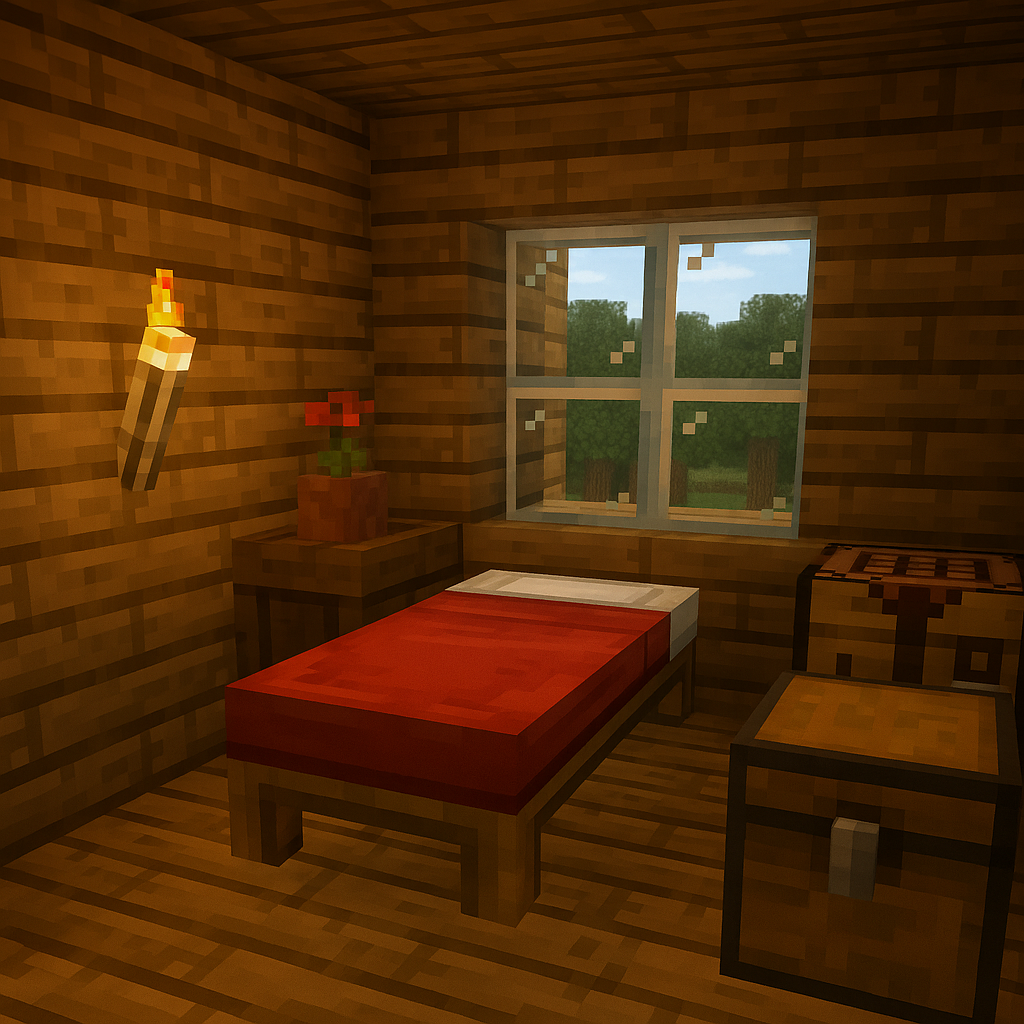
Building an impenetrable base in Minecraft requires more than thick walls and bright torches. Each biome presents unique environmental challenges that demand tailored defense strategies. Understanding how to protect your creations from both hostile mobs and environmental hazards specific to each terrain will elevate your survival gameplay from basic shelter to fortress-level security.
Whether you’re establishing your first outpost or fortifying an existing settlement, this guide explores comprehensive defense strategies adapted to Minecraft’s diverse biomes. From the scorching deserts to the treacherous Deep Dark, you’ll learn how to transform environmental challenges into strategic advantages.
Mountain Biomes: Elevation Advantage and Vertical Defense
Mountain biomes offer some of the most naturally defensible terrain in Minecraft. The dramatic elevation changes and rocky cliffs provide builders with inherent protection that flat biomes simply can’t match.
Natural Defense Integration
Building into mountain cliffs creates multiple layers of natural protection. Excavating bases directly into cliff faces eliminates several walls that would otherwise need defending, while the solid stone behind your base prevents surprise tunnel attacks from mobs or players.
High-altitude construction on mountain peaks forces hostile mobs to navigate treacherous vertical terrain before reaching your base. This natural barrier significantly reduces invasion frequency, as most ground-based threats struggle with the climbing required. Consider incorporating mountain base design principles that maximize these elevation advantages while maintaining accessibility for yourself.
Strategic Entry Points
Hidden entrances work exceptionally well in mountainous terrain. Concealed doorways behind waterfalls, disguised openings in cliff faces, or secret tunnels through seemingly solid mountainsides all capitalize on the biome’s natural complexity. The irregular terrain makes it difficult for raiders to spot non-obvious entry points.
Stilted structures extending from cliff faces provide excellent vantage points for surveillance while remaining difficult to access from ground level. These elevated platforms allow you to monitor approaching threats long before they become immediate dangers.
Environmental Hazards to Address
Mountain biomes come with their own risks. Falling from great heights remains the primary danger, both during construction and daily navigation. Install railings along all cliff-edge pathways and consider using water streams or slow-falling mechanisms as emergency descent options.
Lighting becomes critical at altitude. Ensure all exterior paths, ledges, and accessible surfaces are well-lit to prevent mob spawning at your doorstep. The increased surface area of mountainous bases means more potential spawn points if lighting is neglected.
Plains and Forest Biomes: Perimeter Defense in Open Terrain
Open biomes like Plains and standard Forests present the opposite challenge from mountains. Without natural barriers, these locations require builders to create comprehensive perimeter defenses that compensate for the lack of environmental protection.
Building Strong Boundaries
In exposed terrain, your first line of defense must be deliberately constructed. Stone walls, deep moats, or combination barrier systems establish clear boundaries that slow or prevent mob approach from all directions. Unlike mountain bases where terrain provides passive protection, plains bases demand active defensive infrastructure.
Consider multiple defensive layers. An outer wall creates the first barrier, while inner walls around critical structures provide fallback protection if the perimeter is breached. Space these walls far enough apart to create kill zones where trapped mobs can be safely eliminated.
Water moats prove particularly effective in flat terrain. A two-block-deep moat surrounding your base prevents most hostile mobs from crossing while still allowing you easy bridge access. For enhanced security, add a wall on the far side of the moat, creating a gap too wide for mobs to jump.
Forest-Specific Challenges
Dense forests, particularly Dark Oak forests, allow daytime mob spawning due to the light-blocking canopy. This unique threat requires vigilant lighting management. Place torches or glowstone throughout the forest floor around your base, extending the lit area well beyond your walls.
Clear vegetation in a wide radius around defensive structures. Trees and dense foliage provide cover for approaching threats and limit your sightlines. A cleared perimeter lets you spot hostile mobs from a distance and eliminates hiding spots right at your walls.
Tree houses or elevated platforms transform the forest’s density from liability to asset. Building above the canopy provides clear sightlines across the tree tops while keeping you safely above ground-level threats. Connect multiple platforms with bridge networks to create an aerial base system.
Desert Biomes: Heat, Vision, and Open Exposure
Desert biomes present a deceptive security environment. The open terrain and excellent visibility seem advantageous, but the lack of natural cover and abundant sunlight create unique challenges.
Sunlight as Defense
Daytime in deserts discourages mob presence, as most hostile creatures burn or seek shade. This natural protection makes deserts safer during the day than many other biomes. However, this advantage disappears entirely at night when the same open terrain that provided visibility becomes an invitation for mobs approaching from all directions.
Build thick walls with minimal windows. The desert’s openness means any gap in your defenses is visible from great distances, attracting attention from both mobs and hostile players. Solid walls also help moderate interior temperatures if you’re incorporating environmental realism into your build.
Managing Desert Threats
Endermen spawn frequently in deserts, creating a unique defensive consideration. These teleporting mobs can bypass conventional barriers, requiring ceiling protection or three-block-high walls that they cannot reach over. Consider incorporating overhangs or covered walkways that prevent endermen from teleporting directly into your base.
The lack of water in deserts creates strategic considerations for both agriculture and defense. Building an oasis around your base serves dual purposes: water sources support farming and create natural mob barriers. Mobs avoid water and their pathfinding algorithms struggle with water obstacles, making artificial oases effective defensive features.
Hidden underground sections work exceptionally well in deserts. The uniform surface terrain makes underground construction less obvious, and the solid sandstone layers provide stable building material once you dig below the loose sand.
Swamp and Wetland Biomes: Stilts, Water, and Witch Defense
Swamp biomes demand specialized defense strategies due to their unique mob spawns and challenging terrain. The combination of water, land, and witch huts creates a hostile environment requiring adapted security measures.
Elevated Construction
Stilted housing rises above the waterline, providing protection from ground-based mobs while allowing water to flow beneath your structures. This elevation makes it significantly harder for zombies, skeletons, and creepers to reach your base, as they must navigate the irregular terrain of scattered water and land patches.
Build your main structures at least four blocks above the water surface. This height keeps you safely above most mob reach while remaining low enough for convenient access. Connect elevated buildings with covered bridges to create a network of protected pathways.
Water as Barrier
Strategic water placement slows mob advancement significantly. Witches and other hostile creatures struggle with water pathfinding, often circling endlessly rather than finding the optimal approach route. Channel water flow to create natural moat systems around elevated structures.
Lily pads serve dual purposes in swamp defense. They make water traversal easier for you while still maintaining the mob-slowing properties of water beneath. Place them strategically along your preferred paths while leaving other areas open to maximize mob confusion.
Lighting for Slime Control
Slimes spawn in swamp biomes at night regardless of light levels, but only in specific chunks. Comprehensive lighting prevents other mob spawns that would otherwise compound the threat. Place torches on every elevated platform, bridge, and accessible surface to ensure zombies and skeletons don’t join the slimes in attacking your base.
Mark slime chunks once you identify them, then plan your base layout to minimize structures in those areas or prepare for ongoing slime defense in unavoidable locations.
Nether and End: Extreme Environment Fortification
Nether construction and End base defense require fundamentally different approaches from Overworld biomes. These dimensions present constant, severe threats that demand maximum-security infrastructure.
Blast-Resistant Construction
Obsidian and other blast-resistant blocks form the foundation of any Nether or End base. Ghast fireballs and the sheer density of hostile mobs mean your walls must withstand repeated assault. A single creeper explosion or ghast shot shouldn’t compromise your base’s structural integrity.
Build thick walls—at least two blocks of solid obsidian or equivalent blast-resistant material for critical outer layers. Interior walls can use less expensive materials, but all exterior surfaces facing hostile territory should be reinforced.
Minimized Entry Points
Every door or opening in Nether bases represents a potential breach point. Design your base with as few entrances as possible, and protect each one with multiple gates or barriers. Iron doors with button or lever controls prevent zombie pigmen and other mobs from accidentally wandering inside.
Portal protection demands special attention. Nether portals can become entry points for both mobs and hostile players. Build secure rooms around portals with trapped approaches, limited sightlines, and quick shutdown capability if threats emerge through the portal.
Camouflage and Stealth
Hidden entrances prove even more valuable in the Nether than in Overworld biomes. The chaotic terrain and abundance of natural features like lava falls and netherrack formations provide excellent opportunities for concealment. Disguise entrances as natural formations or hide them within existing terrain features.
In multiplayer scenarios, an undiscovered base is a safe base. The Nether’s hostile environment means most players move cautiously and quickly, often missing well-camouflaged structures entirely.
Ocean and Underwater Environments: Water as Ultimate Defense
Underwater bases benefit from water’s natural mob-blocking properties. The liquid barrier eliminates most hostile spawns and creates inherent protection that surface bases must build deliberately.
Natural Barrier Utilization
Water prevents the vast majority of hostile mobs from spawning or surviving. Drowned are the primary threat, but they spawn far less frequently than the combined surface mob threats of zombies, skeletons, creepers, and spiders. This fundamental advantage makes underwater locations some of the safest in Minecraft.
Glass walls provide panoramic views while maintaining waterproofing. Unlike surface bases where windows represent weak points, underwater glass structures remain fully secure as mobs cannot break through from outside. This allows for expansive windows and better visibility without compromising defense.
Airlock Protection
Proper airlocks prevent flooding while controlling access points. Design entrance systems with multiple doors creating sealed chambers between exterior and interior spaces. This prevents single-point failure while allowing safe entry and exit.
Install conduits for underwater breathing in key areas around your base perimeter. These devices grant water breathing effects, allowing you to defend exterior walls or respond to threats without constantly surfacing for air. Place them strategically to create overlapping coverage zones.
Resource Independence
Sustainable food production becomes critical in ocean bases. Kelp farms and underwater crop systems ensure you don’t need frequent dangerous surface trips. Build fully self-sufficient systems inside your defensive perimeter, making extended underwater stays practical.
Mushroom Islands and Deep Dark: Extreme Safety vs. Extreme Danger
These specialized biomes represent opposite ends of the security spectrum, each requiring dramatically different approaches.
Mushroom Islands: Natural Safety Zone
Mushroom Island biomes are among Minecraft’s safest locations. Hostile mobs cannot spawn on mycelium naturally, making these rare biomes almost entirely threat-free. Defense needs become minimal, allowing you to focus on building rather than fortification.
Basic lighting prevents the few remaining spawn possibilities. Even without extensive defenses, a simple fence and minimal lighting provides complete protection. This allows for elaborate, exposed structures that would be impossible to defend in standard biomes.
The primary consideration for Mushroom Island bases is defending the mycelium itself. Prevent dirt or grass from spreading onto your island, as these blocks enable normal mob spawning. Create barriers or moats at the island’s edges to maintain the mycelium’s protective properties.
Deep Dark: Maximum Threat Environment
The Deep Dark represents Minecraft’s most dangerous environment. The Warden’s presence makes traditional combat defense impractical, requiring stealth-based security strategies instead.
Silence becomes your primary defense. Minimize movement, avoid jumping, and plan routes that activate the fewest sculk sensors possible. Create marked pathways showing the safest routes through sculk-laden areas, using wool blocks that muffle footsteps and prevent sensor activation.
Establish clear escape routes before building in the Deep Dark. When the Warden spawns, fighting is rarely the answer. Plan multiple exit strategies from every room, ensuring you always have a quick path away from danger.
Light-free navigation becomes necessary in some situations. The darkness and need for stealth sometimes mean building without traditional lighting. Use subtle navigation markers visible only to players who know where to look—inconspicuous patterns in floor blocks, hidden redstone lamps you can activate temporarily, or phosphorescent blocks arranged in coded patterns.
Universal Defense Strategies Across All Biomes
Certain security principles apply regardless of biome, forming the foundation of any comprehensive defense system.
Layered Defense Philosophy
Double-layer defenses create redundancy that prevents single-point failures. An outer wall forms the first barrier, internal walls protect critical areas, and a fortified inner sanctum provides final refuge. If mobs breach the perimeter, your valuable storage and crafting areas remain protected behind additional layers.
Space defensive layers appropriately. Walls too close together provide no real advantage, while excessive spacing wastes resources and creates large areas requiring defense. Generally, keep outer and inner walls 10-15 blocks apart, creating a controlled zone where you can safely engage breached mobs.
Comprehensive Lighting Networks
Prevent mob spawning through proper lighting in every biome. Torches, lanterns, glowstone, or sea lanterns every 12 blocks prevent hostile spawns on flat surfaces. Complex terrain with elevation changes requires denser lighting to eliminate all dark spots.
Light both your base interior and a substantial perimeter around external walls. Mobs spawning immediately outside defenses quickly become problems. Extend your lit perimeter at least 20-30 blocks beyond walls in all directions, more in open biomes where mobs have clear approaches.
Hidden and Secure Entry Points
Camouflaged entrances work in every biome. Hidden doors behind waterfalls, concealed pressure plates in natural terrain, or secret passages through seemingly solid walls all reduce the likelihood of discovery in multiplayer and make your base less obvious to both players and mobs.
In single-player survival, hidden entrances mostly protect against mob access. Design multiple entry points so if one becomes compromised by mob presence, alternate routes remain available.
Underground Sanctuary Planning
Every surface base should include underground sections. Tunnels provide escape routes, secure storage, and protected transportation networks. In worst-case scenarios where surface defenses fail completely, underground areas offer final refuge.
Build your underground network with its own defensive features. Don’t assume that being underground guarantees safety. Light tunnels thoroughly, install gates at strategic chokepoints, and create isolated sections that can be sealed if areas become compromised.
Core Room Fortification
Use obsidian or blast-resistant blocks for rooms containing valuable storage, enchanting setups, or other irreplaceable infrastructure. These materials ensure that even if outer defenses fail and mobs penetrate into your base, they cannot destroy your most critical resources.
Prioritize protection for items that are difficult or impossible to replace. Enchanted gear, rare materials, and unique treasures deserve maximum security, while renewable resources might warrant lighter protection.
Environmental Hazard Preparation
Import necessary resources for harsh biomes. Nether bases need Overworld materials for farming, desert bases require water sources, and End bases need everything. Prepare supply chains before committing to difficult-biome construction.
Plan escape routes accounting for biome-specific dangers. Nether exits should avoid lava lakes, mountain base escapes must account for fall damage, and underwater escapes need backup air sources. Test your emergency exits regularly to ensure they remain viable.
Biome-Specific Security Matrix
Different biomes demand different security priorities. This matrix helps you focus on the most critical defenses for your chosen location:
Mountains: Focus on fall protection and hidden entrances. Minimal perimeter defense needed due to natural barriers.
Plains/Forests: Maximum perimeter defense required. Invest heavily in walls, moats, and cleared sightlines.
Deserts: Moderate perimeter defense, anti-enderman measures, and underground expansion for resource security.
Swamps: Elevation and water barriers primary defense. Lighting for slime management secondary concern.
Nether/End: Maximum fortification with blast-resistant materials. Minimal entry points and comprehensive mob-proofing essential.
Ocean: Natural water defense primary protection. Focus on airlock security and self-sufficient systems.
Mushroom Islands: Minimal defense needed. Protect mycelium integrity instead of building traditional fortifications.
Deep Dark: Stealth and escape routes replace traditional defense. Silence and sensor management critical.
Continue Your Building Journey
Understanding biome-specific defense transforms survival gameplay from constant struggle to strategic mastery. Each environment presents unique challenges, but also unique opportunities for creative security solutions.
For more depth on building in specific biomes, explore our comprehensive guides on mountain construction techniques, desert architecture, and swamp building strategies. When you’re ready to expand beyond security, our guides on biome selection for spawning and landscape building will help you create environments that are both beautiful and secure.
Master these biome-specific strategies, and your bases will stand strong against both environmental hazards and hostile mobs, no matter where you choose to build.


